


NEWS
Find out about our recent accessibility improvements and what's coming next
We’re committed to supporting all children to better health. As part of this, we're making some key accessibility updates to enhance families’ experience.

Adolescents
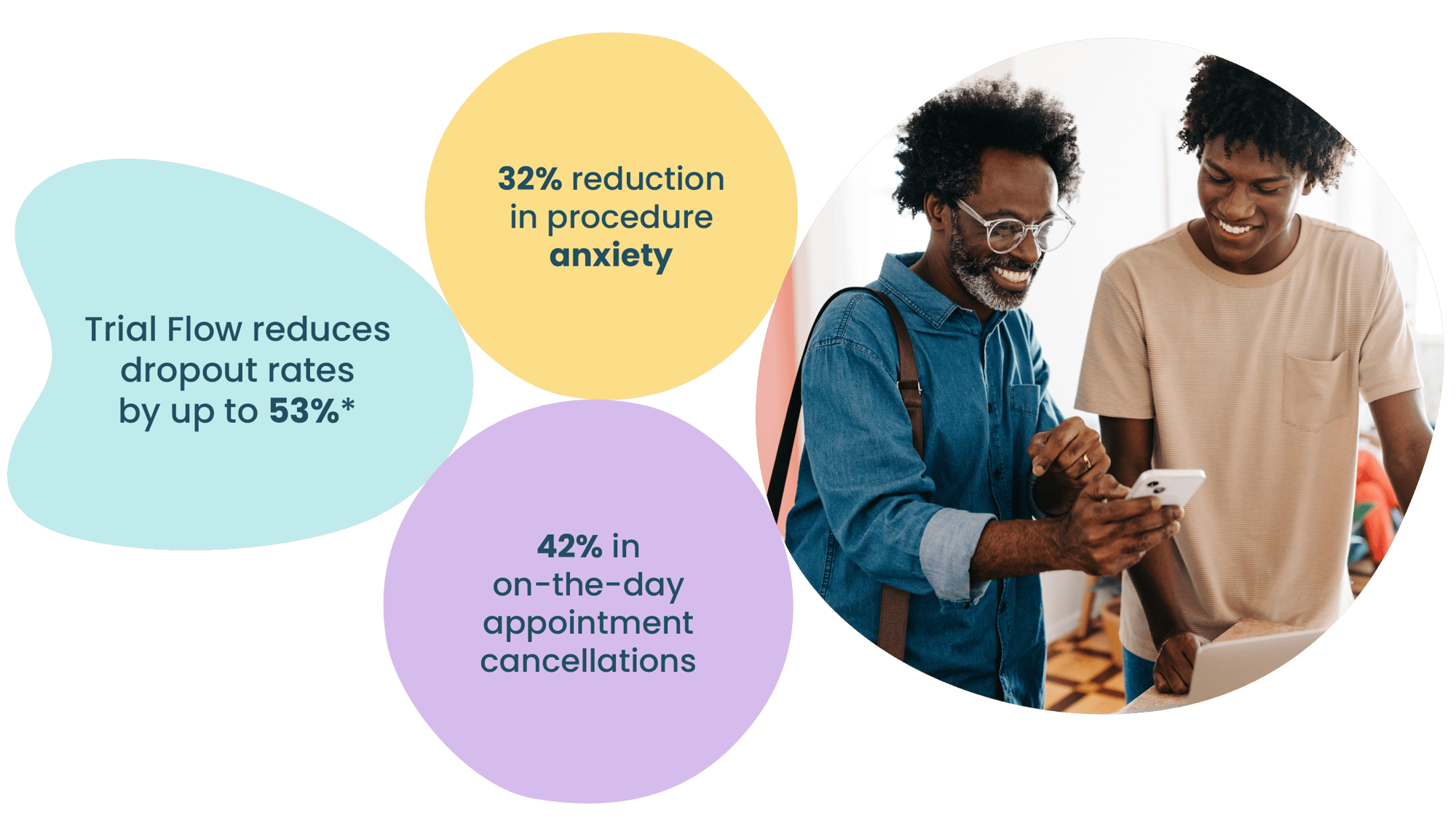
Engaging and retaining teenagers in clinical research
Teenagers have distinct and well-documented developmental, behavioural, and healthcare needs that are often overlooked. Many clinical trials face challenges in recruiting and retaining teenagers. We recognised an unmet need to better support young people aged 13 to 19.

Vaccines
Reaching 500,000 people with children's COVID-19 vaccine and testing education videos
NHS Digital, Public Health England, and NHS Test and Trace partnered with Little Journey to develop engaging content to explain COVID-19 vaccines and testing.

Site Uptake
How we activated eight research sites across five countries in a single day
Little Journey partnered with a global pharmaceutical company and leading CRO to support a multi-site trial as paediatric specialists, providing education and support to improve patient experience and retention.
Rare Disease
Preparing and supporting children undergoing gene therapy
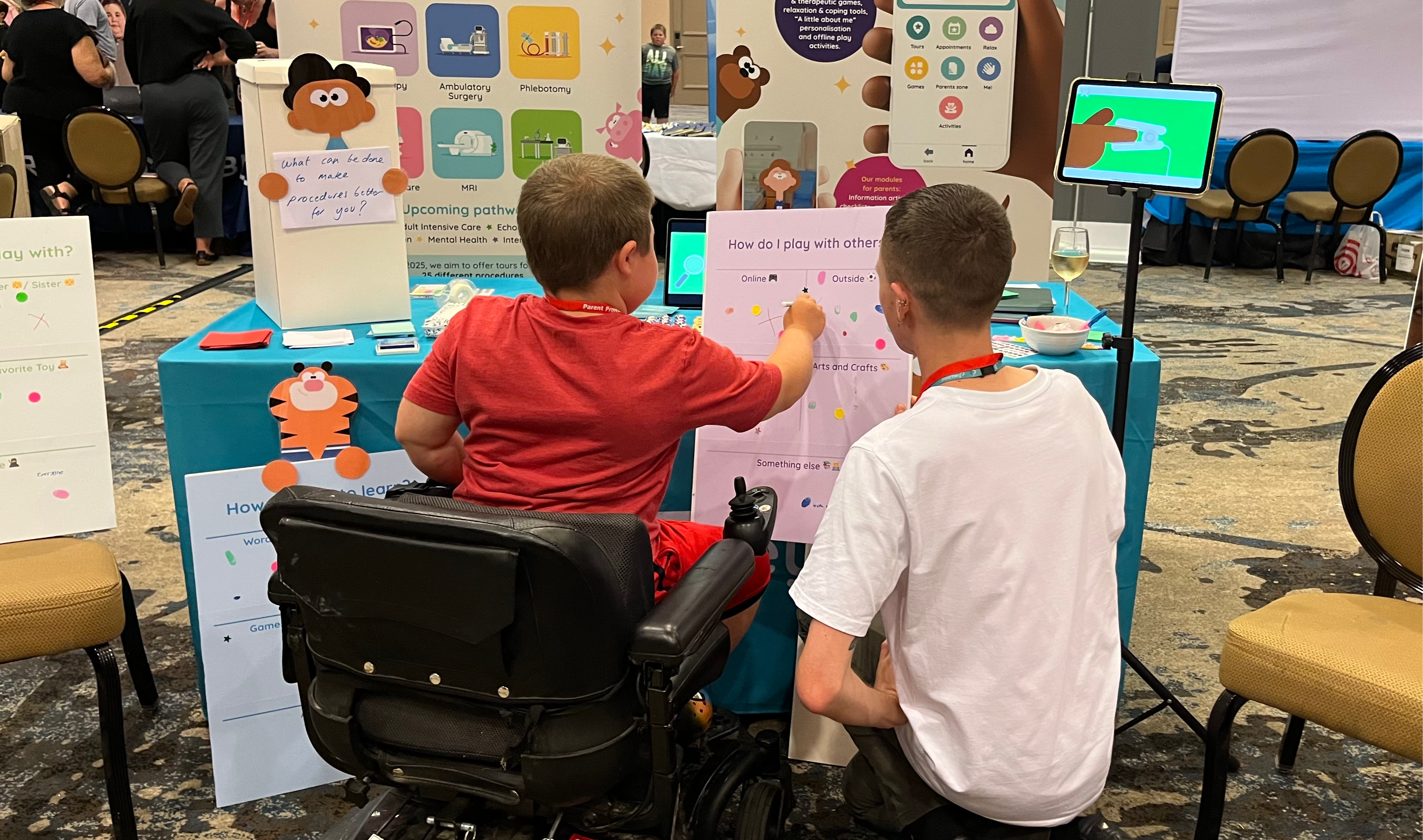
Little Journey partnered with a global pharmaceutical company to tailor our support solution for children with Duchenne Muscular Dystrophy (DMD) participating in gene therapy research.